japan
Spring of 2024, we were invited to Japan for a cultural tour through the food anthropology and agriculture of Osaka, Kyoto, and Ishikawa by our project partners at D-Lab.

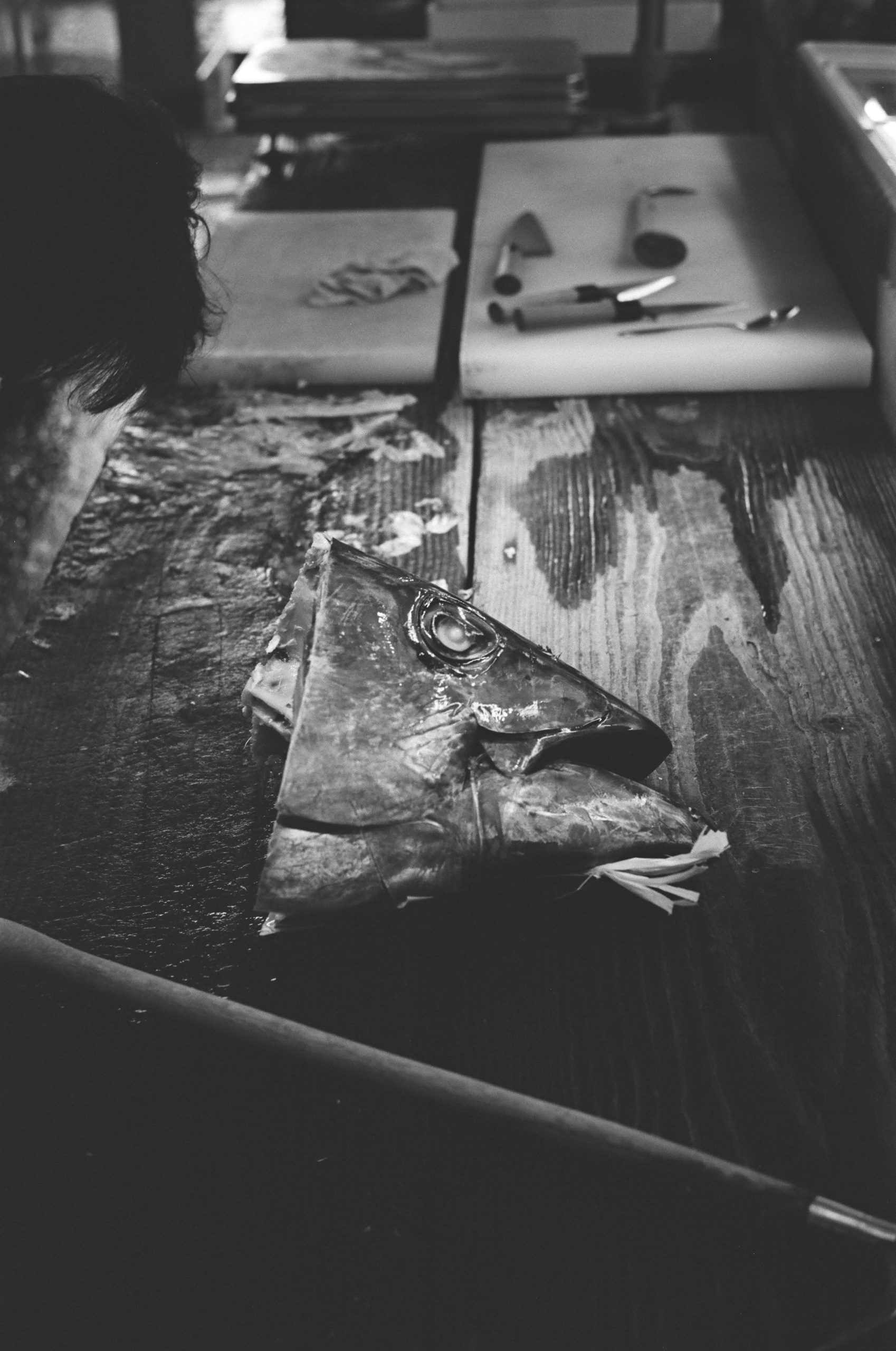
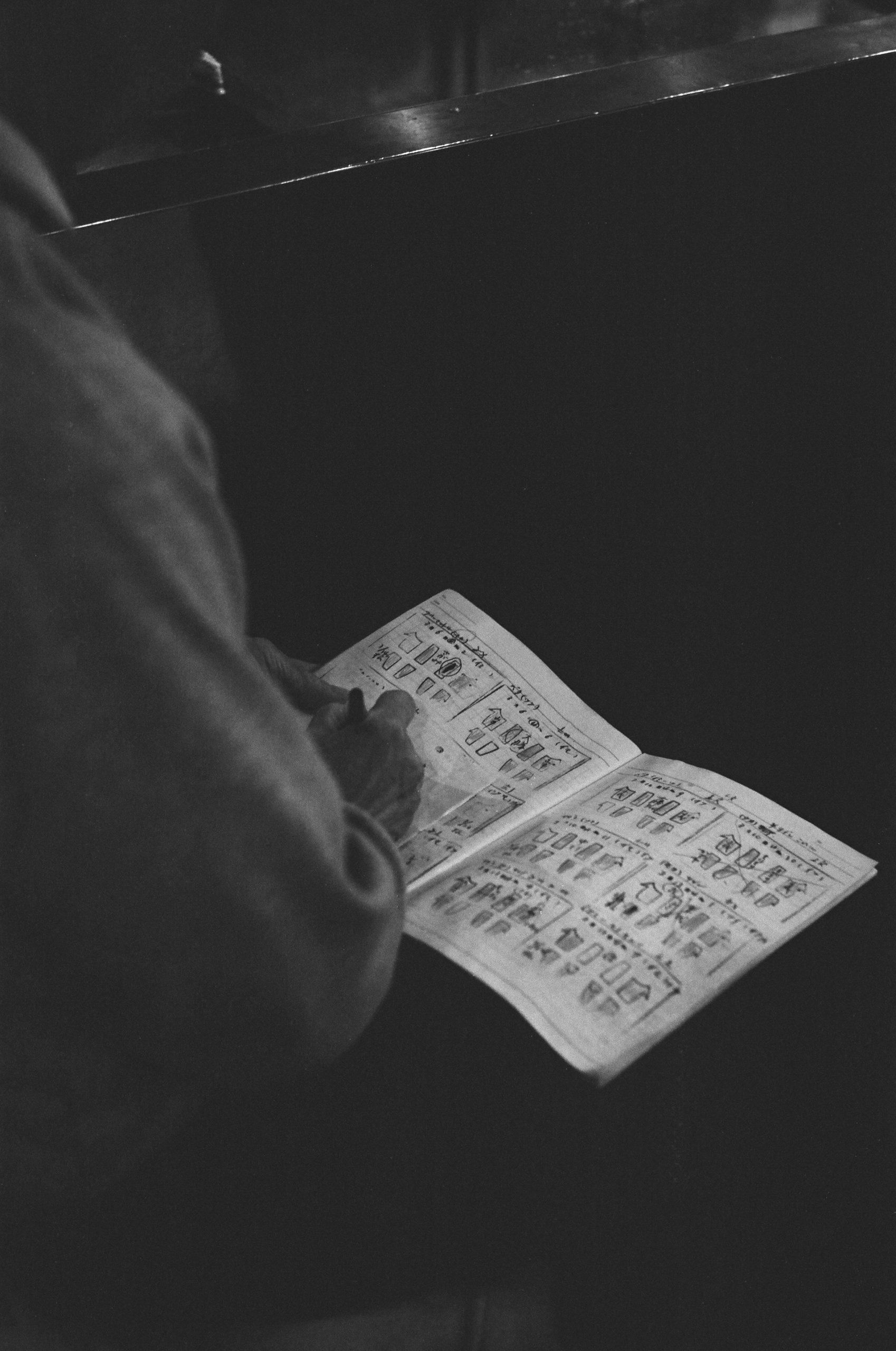
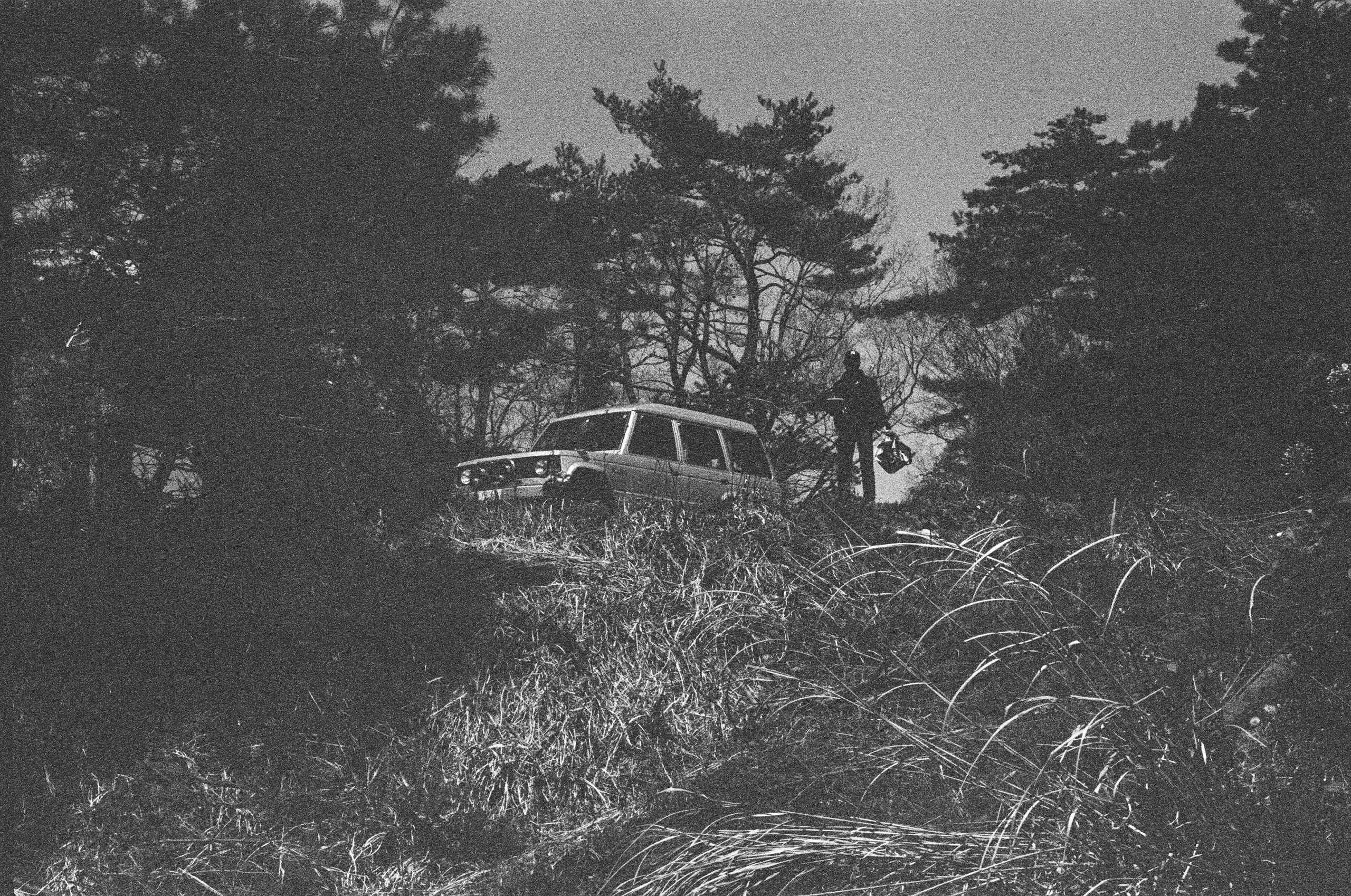
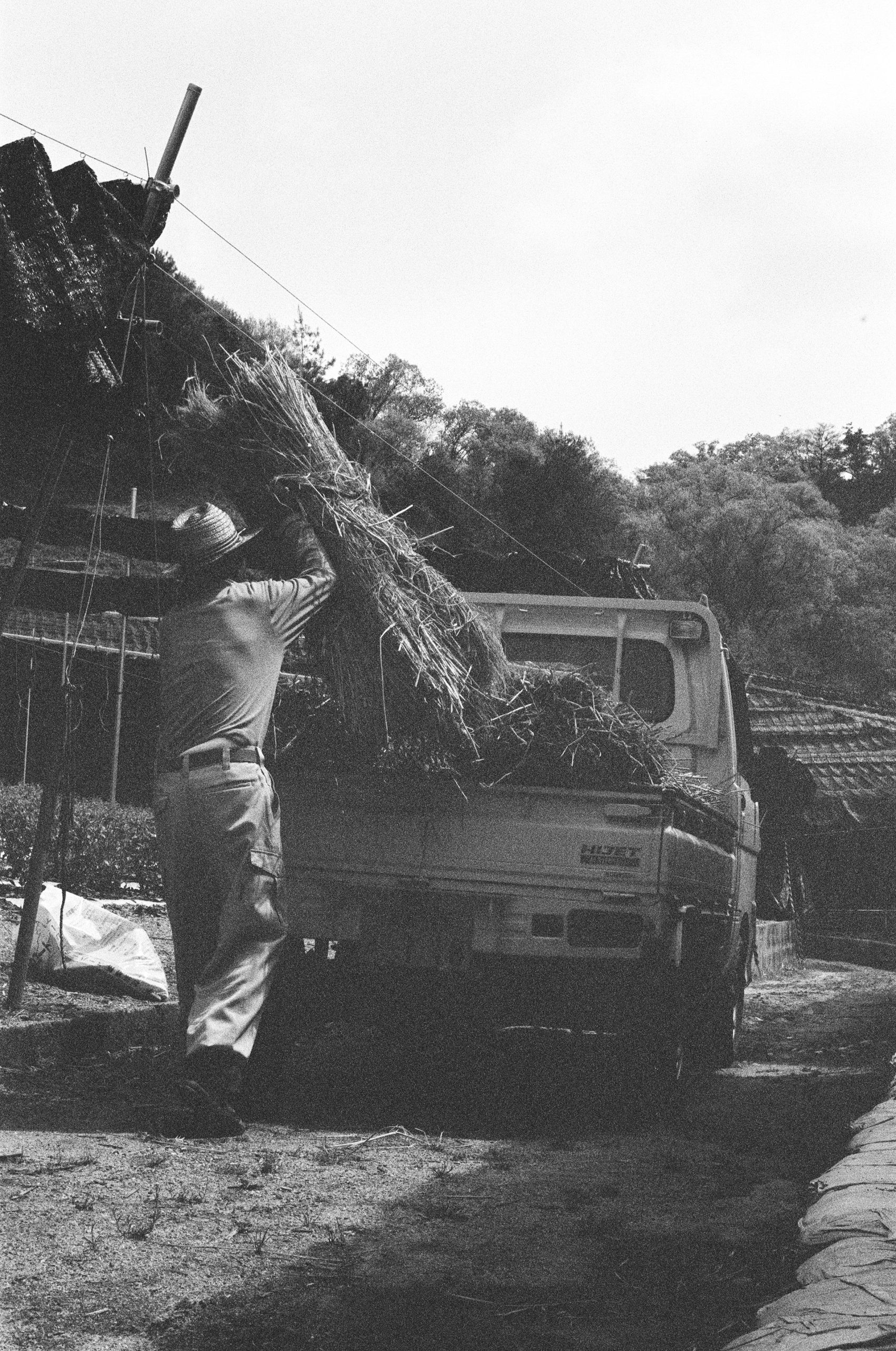
Left To Right Tuna Head - Kyoto Fish Market, Cuts Of Tuna Diagram - Adachi Fish Market, Spring Foraging - Nato, Matcha Tea Farm - Uji
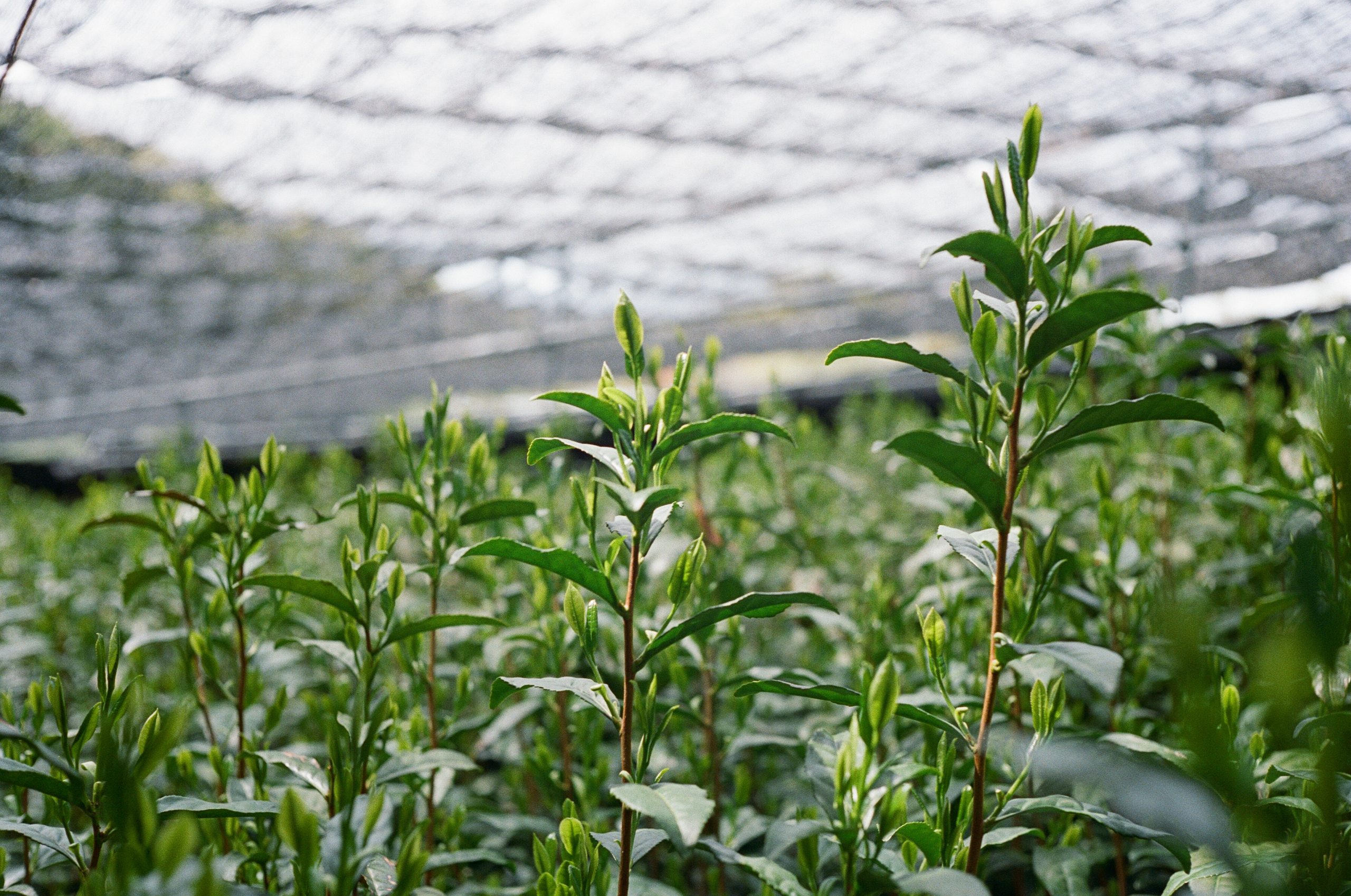
Above: MATCHA TEA FARM, UJI
It has taken longer than we could imagine to confirm what all we did see in our most recent trip to Japan. As a chef, it was perhaps the most privileged trip of a lifetime. In the brisk rural villages of Ishikawa, lives some ordinance of country life with the most grounded roots for living and living giftedly. These notions extend into the mountain sides of Kyoto and its various foraging communities and as well as beyond the round bellowing bays of Osaka on fishing boats, bobbing in the rich undercurrents of the most beautiful waters. There is a semblance of honest life in Japan, one with the most astonishing system for capturing the various seasons. There is a clear and rhythmic learning done from the various communities across the country, where they are instructed, and more justly collaborating as a partner with their surrounding nature to create one of the most distinctive cuisines and cultures we have ever explored in the world. We found deep pleasure in the spectacles of perfect things. We gave in to a form of openness that was required to justify the means of our endeavors, traveling perhaps not far across a country, but as thoroughly as our time would have allowed us to. It was only truly with remorse that we ever did leave Japan after this trip. The results of these case study photos formed a perfect picture for stoicism, for the pursuits of perfection, and for the liberty in the human spirit, gifted by the friends we made whose stories have been charted in our food and culture journal, Humanities - A Menu.

Under the weight of some paralyzing hayfever, we woke up with the firm pressures of tatami on our backs, and under soft rolls of kake futons. Our host stirred overhead, the sounds of simmering pots shifting on the stove, and various savory scents lifted by a bellowing steam that seeped through the pores of her cedar wood home. We’d slide through the bedroom doors to find blush red lacquerware filled with fresh strawberries and soft kinugoshi tofu enveloped by dashi thickened with kudzu starch and small mounds of ginger and daikon that were most definitely grated over the metal teeth of an oroshigane, a flat paddle-like Japanese grater. Our host Mitsuko San was a retired architect. We boarded in one of her rooms in the house she designed and resides in, and took our morning teas with her to discuss her professional photography hobbies and her fascinations with spirals and the various places she sought them out. We took much of Tokyo on foot in the coming days and weeks, always returning here to the city between those various escapades on shinkansens to other Japanese-like worlds. And before there is any talk about our experiences with food, it would be the very first Izakaya, in the university neighborhood of Nakano where we would find our first culinary darling. It is within this gray space of ordinance and structure, and the competing forces for unadulterated liberty and freedom (known better as the culinary institutions of Izakayas) where we found the Japan we fell in love with. That every proper situation could be humored by the improper, and that even in the most improper of places, there were things about it that were outstandingly perfect. Between the hectic courses that flew at us from all directions - from off the grill, out the fryer, ladled from donabe to bowl, pickle from jar, sashimi from knife, the izakaya gave us the best possible idea of what to expect and what was to come out of our trip. The culture in Japan was beyond our caliber of understanding, but it fit right within the heart of our pleasures, and perhaps even enlightened us in ways that no other single country could. A short train ride to Kyoto from Tokyo several days after we habituated ourselves to the Nepon culture and we’d be off on our trip, with Charlie.
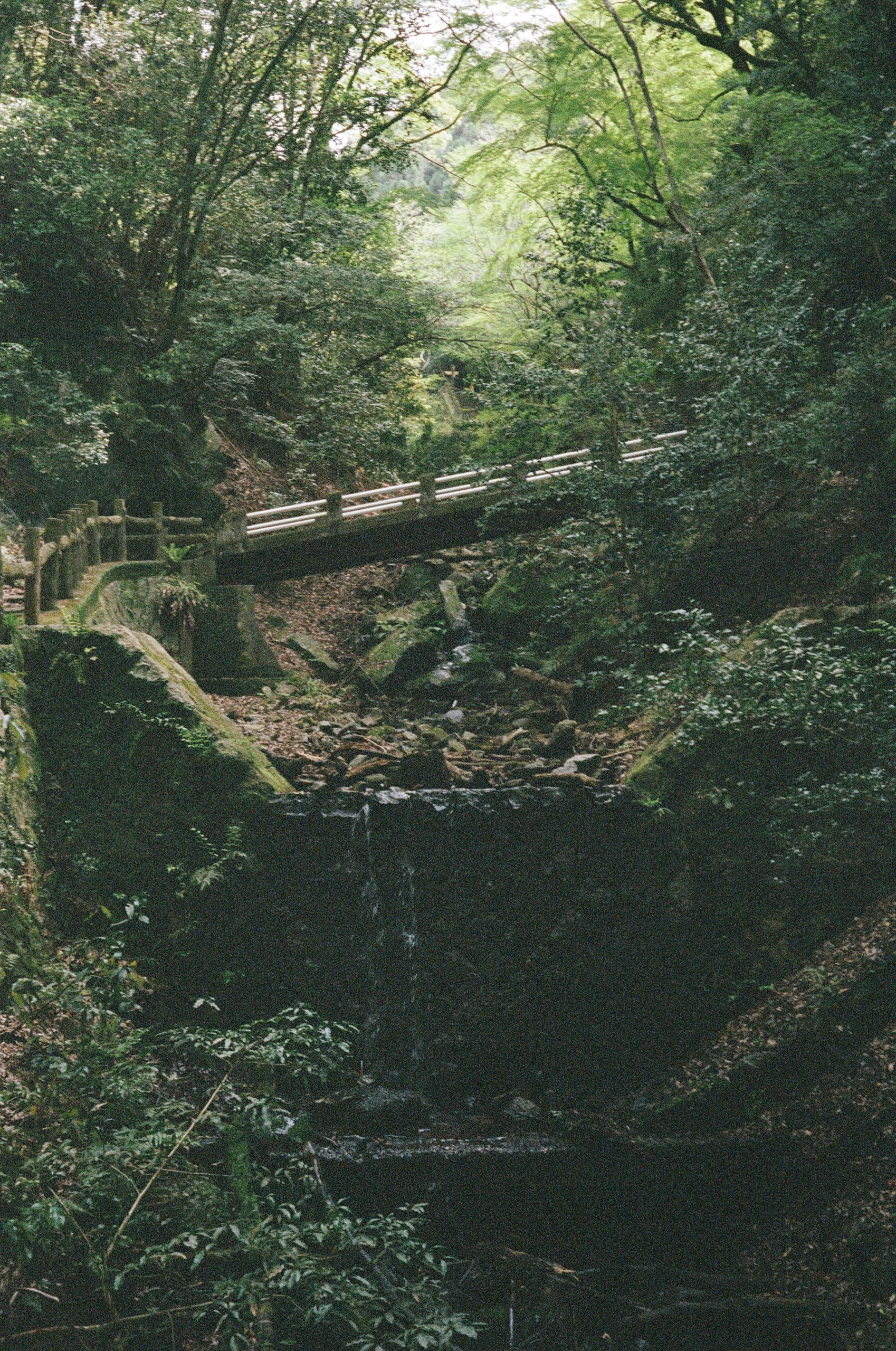
Above: Minoh Park, Osaka

Above: Koshi Abra Sansai, Shun-ran No Sato
Image Gallery
After a 3am roll call to catch the train from Tokyo to Kyoto, we sleepwalked through our day in the Shimogyo ward, stepping into a camera store, paper store, ceramics store, a non-alcoholic gin bar, a garden; we were driven to explore the cultures of aesthetics, quality, craftsmanship, and heritage. We wanted to find the purpose and function of certain techniques and principles within Japanese culture, to see if there were tools we could use to help support and strengthen the capabilities of our various partners and projects in other places. Our curious demeanors led us into the middle of nowhere where we found ourselves at the only other table at the two-table dive restaurant in some old Korean grandmother's retrofitted-to-be-a-restaurant home. Her stories of immigrating here, her essence displayed across the room through ordained trinkets, as well as her exceptional kongbiji jjigea reminded us of the consideration to take with Japanese history, in that inasmuch of the country as you could track, there would also be diverse influences and communities from other like and unlike places. The crispy Portuguese tempura, the sour South-East Asian sushi, the sweet Chinese soy sauce; it is in places that find employment of other gastronomes where I think there is the most to learn about gastro-diplomacy and its legitimate solutions to transforming the culinary resilience of other people who come to share, respect and celebrate the gifts from other cultures.

Above: Sweet Potato Oden, Brooklyn NY
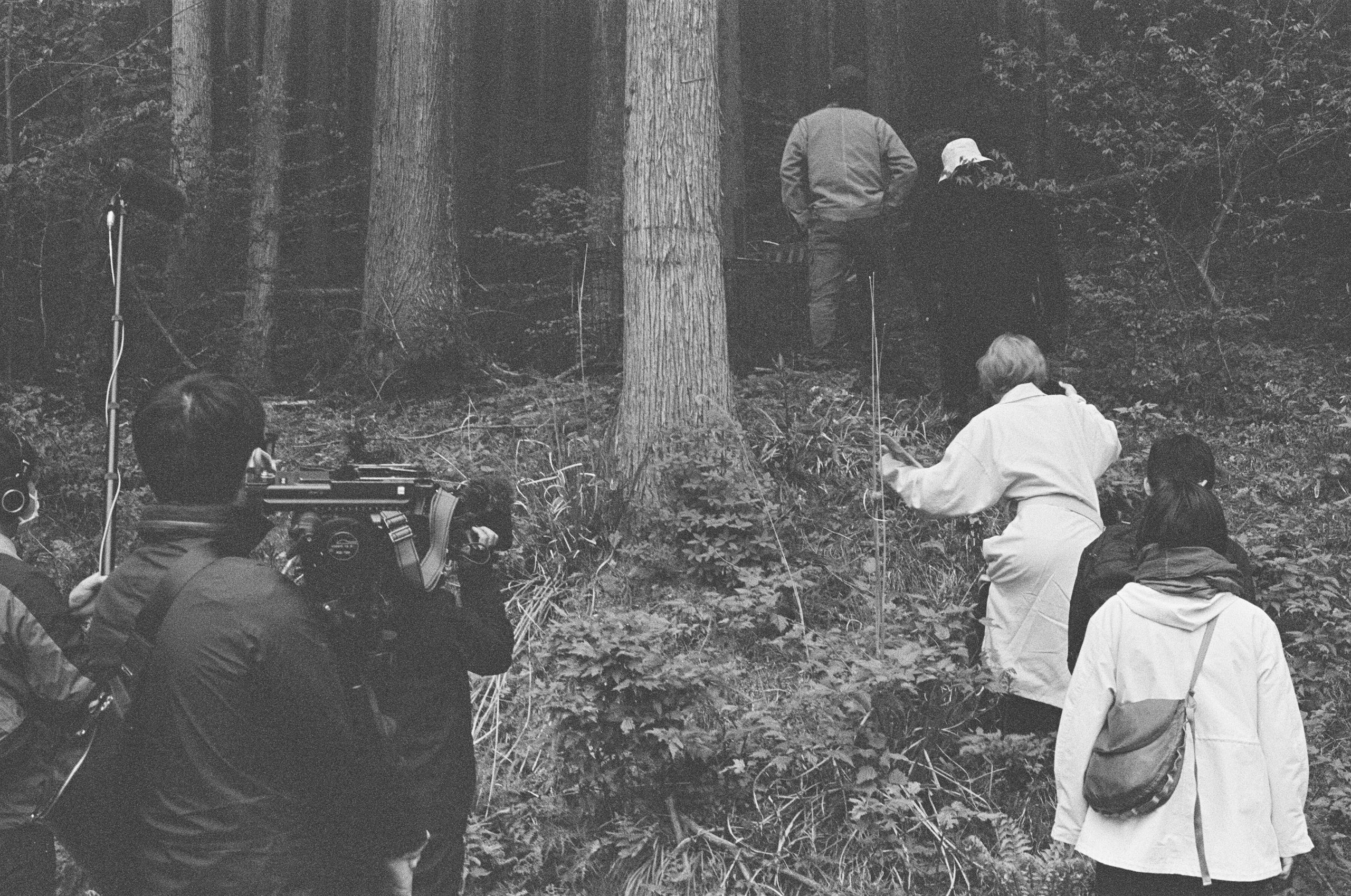
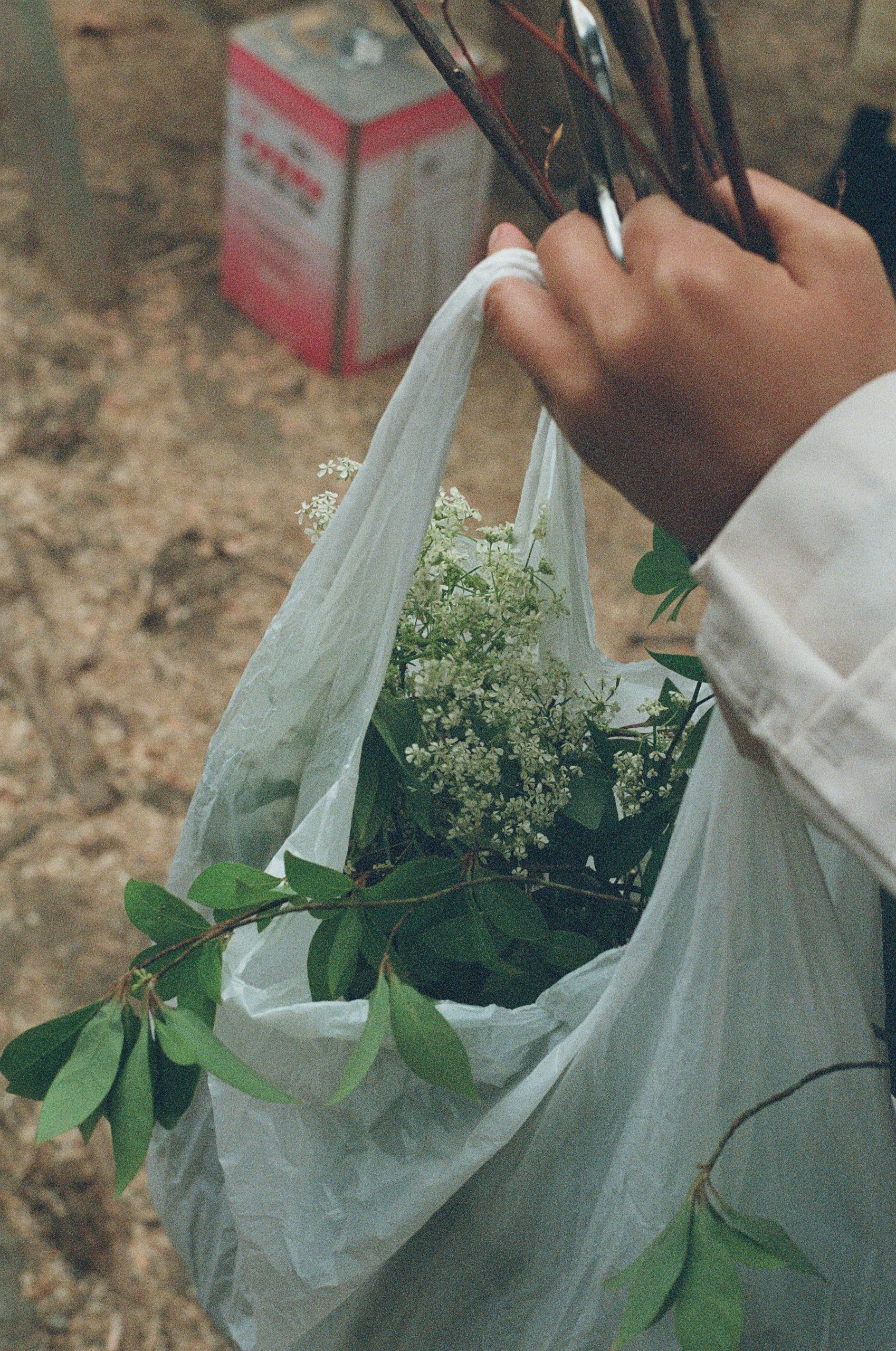
The next morning, we headed for the renowned matcha farms of Uji. We passed by several sleepy fishing villages along the way, we detoured to Paysan Herb Farms and explored the rowling lawns of Japanese herbs, rosemary, thyme, bay leaf, and chamomile. We were greeted by the charming waves from farm hands, employed through a social program to help provide job-based therapy to persons with intellectual disabilities. Of the most extraordinary herbs, the Japanese bay laurel must be one of the most incredible fragrances we’ve experienced. A forager we meet, Tomoka Furuya would describe the flavor of Japanese herbs as not “strong” but “deep”. Slow roads would finally bring us to the sloped fields of Kiyoharu Tsuji’s matcha farm. We spent the next couple of hours learning about soil, temperature, humidity, filtering the sun, filtering the water, the air, and about a Scandinavian processes for soil fertilization by pressing small dried fish against the soil beds between plant rows, combined with insulation techniques using Japanese straw to cover it all from the seasons. What Tsuji san curated in his farm was an all seasons orchestra, a concoction of hyper considerate techniques to assure that year after year, he grew the best matcha tea leaves possible. He, like many of the producers we met, were in the business of the philosophies for agriculture. We were shaken by the profound responsibilities he took upon himself both to do the best he possibly could with his plants, but also to conserve and support the natural agriculture and environment around him. Tsuji san and I understood something unspoken about each other. Before leaving, he plucked a handful of fresh tea leaves and pressed them into my hands with a smile, and with another smile, I took the leaves and tucked them carefully away into my jacket pocket. We were driven back to our HQ at chef Tsutomu Nishimura’s restaurant Mavo in Gionmachi Minamigawa ward where we re-experienced the Uji matcha tea as well as a myriad of infusions from the earlier herbs we explored at Paysan by way of cold tea blends and extractions.





our collaborators
Charlie Konno – Project Manager + Guide, Shintaro Nishikawa – Project Lead + Host, Yuri Konno – Program Host, Junpei Ueno – Ceramics Partner, Daisuke Takahashi – Foraging Guide, Kyoto, Nobu Yamanashi – Sponsor, Yama Seafood, Rie Kimoto – Guide, Nihon Kusaki,Tomoka Furuya – Guide, Nihon Kusaki, Mitsuko Ikusaka – Host, Tokyo, Hirotaka Tanaka – Project Advisor, Daisuke Okukura – Host, Kyoto, Yu Kurosaki – Partner, Japanese Artisan Knives, Kiichiro Tada – Partner, Uji Match Tea Farm,Shunsuke Yamamoto – Host, Fukiya